

We live in the era of Extended Reality (XR), a concept that brings together all immersive technologies. Below, explore the differences between its two main pillars: Augmented Reality (AR) and Virtual Reality (VR).
What is Augmented Reality (AR)?
The goal of Augmented Reality (AR) is to enhance the real world by integrating digital content into the physical environment. This technology overlays interactive 3D models, animations, or contextual information in real time. It can be experienced through smartphones, tablets, and other compatible devices.
- Experience: allows users to stay connected to the real environment while interacting with virtual content, blending both worlds into a single view.
- Accessibility: highly accessible, mainly used through smartphones, tablets, and increasingly with smart glasses such as Ray-Ban Meta.

What is Virtual Reality (VR)?
Virtual Reality (VR) creates fully digital and simulated environments where users can interact freely. This technology transports users to a new setting, generating a fully immersive experience that is disconnected from the physical world.
- Experience: the user immerses themselves in a virtual environment, disconnecting from the physical world to live an immersive and sensory experience.
- Access: requires the use of specialized headsets (VR headsets) that isolate sight and hearing, allowing a full sense of presence within the digital environment.

Key Differences: AR vs. VR
The main difference between Augmented Reality (AR) and Virtual Reality (VR) lies in the environment and the device used.
Augmented Reality overlays digital elements onto the physical environment.
In contrast, Virtual Reality replaces the real world by transporting the user into a fully digital environment.
How to Use Immersive Technologies in Your Projects?
Immersive technologies, such as Augmented Reality (AR) and Virtual Reality (VR), enable companies to innovate in communication, sales, and training. They deliver measurable, high-impact results in digital strategies.
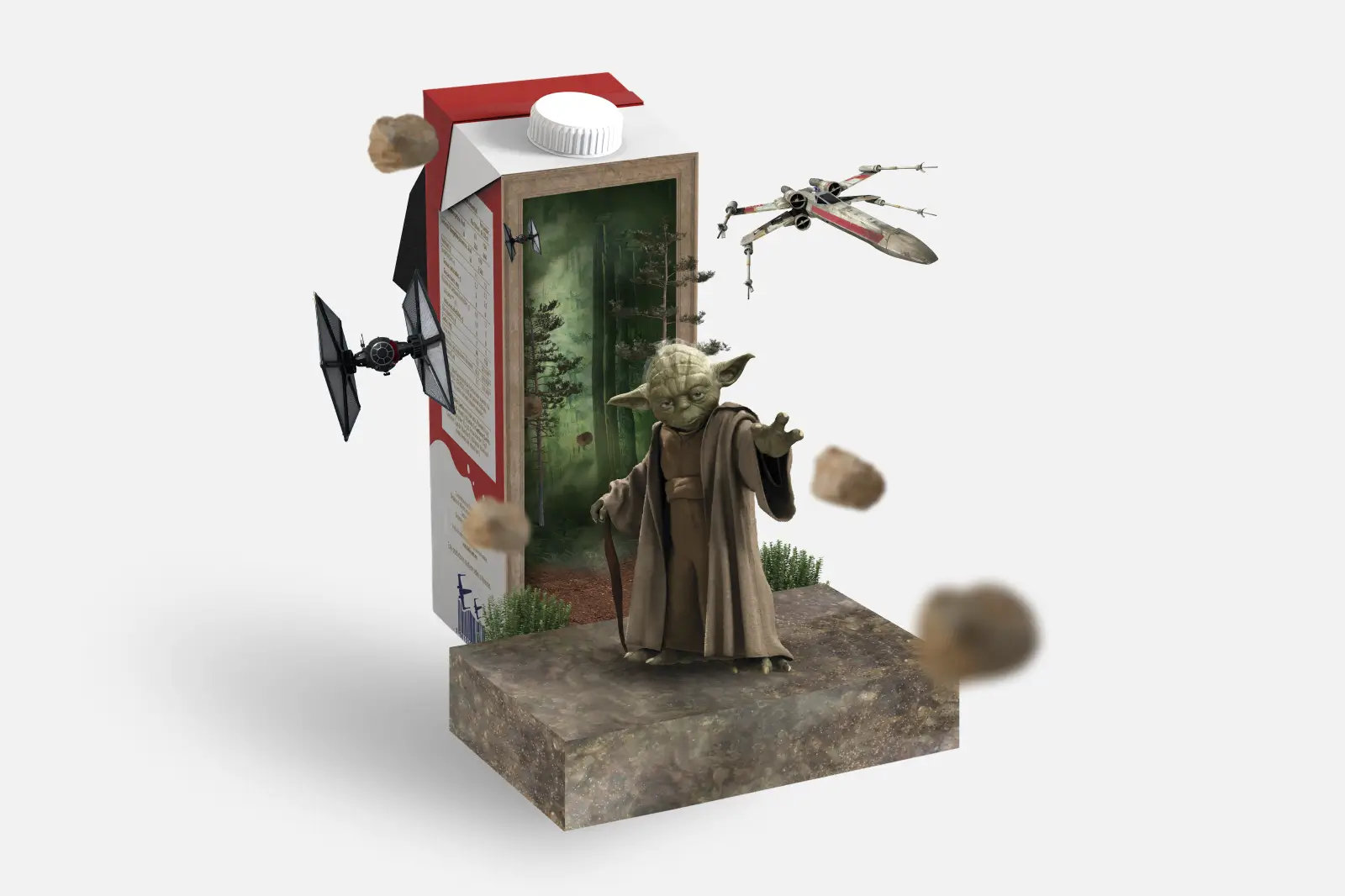
- Marketing: interactive experiences that increase brand recall and strengthen audience connection. Discover this case with Disney and Grupo Lala.
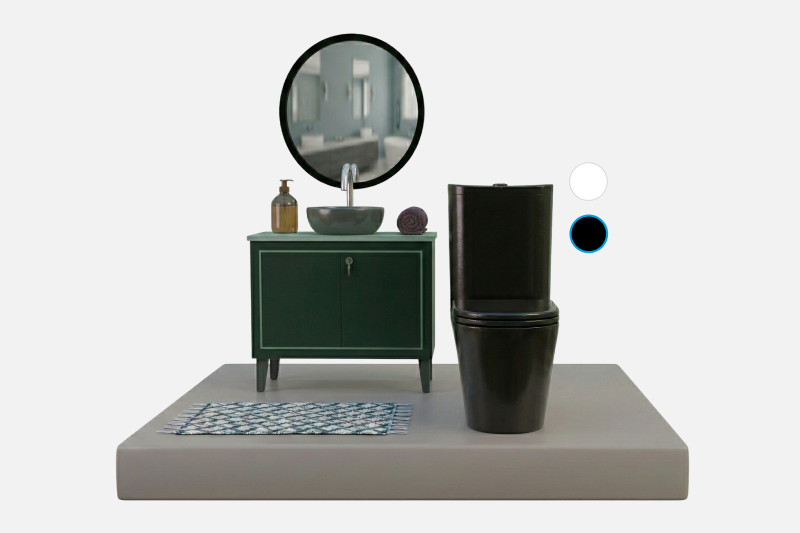
- E-commerce: 3D products and virtual try-ons that reduce returns by up to 25%. Discover this case with O2.
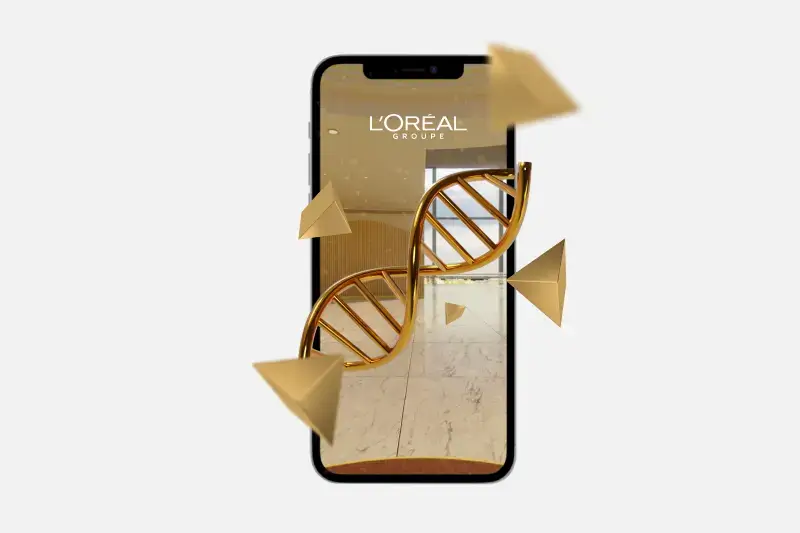
- Immersive training (HR): programs that achieve up to 73% higher knowledge retention and reduce operational costs by 38%. Discover this case with L’Oréal.
- Key seasons: immersive dynamics with over 3 minutes of average user interaction. Discover this case with Fanta.
Conclusion
Immersive technologies allow brands to connect more effectively with their audiences, optimize processes, and accurately measure results within their digital strategies.
At CamOn XR, we collaborate with global brands such as Ford, Disney, Unilever, and Banco Azteca, developing Extended Reality (XR) solutions for Marketing, E-commerce/Retail, and Human Resources (HR).